Latest Developments in Global Climate Change - Issue 101

Latest Developments in Global Climate Change
Leung Kwok-lap
According to the World Meteorological Organization’s “State of the Global Climate 2025” report, greenhouse gas concentrations have reached an all-time high. The atmospheric carbon dioxide concentration climbed to 423.9 ppm in 2024, surpassing the highest levels during the past 2 million years.
Greenhouse gases hinder the Earth’s energy from dissipating outwards, resulting in an increasing “Earth’s energy imbalance”. Observations show that about 90% of the continuously accumulating excess energy is absorbed by the oceans, while the rest leads to land warming, ice melting, and atmospheric heating (Figure 2). Given these record-breaking climate data, if large-scale greenhouse gas emission reductions are not initiated immediately, extreme weather events such as heatwaves and rainstorms will no longer be occasional “news” but an irreversible “new normal”.
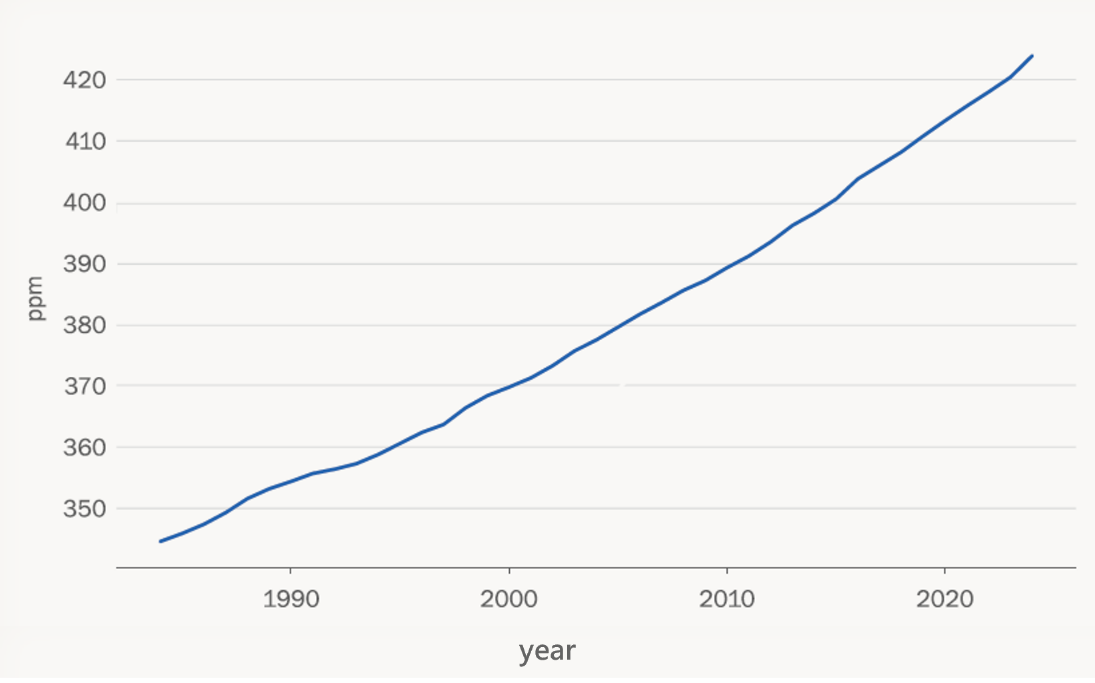
Figure 1: Annual mean atmospheric carbon dioxide concentration change globally from 1984 to 2024 (unit: ppm).
Image source: World Meteorological Organization’s “State of the Global Climate 2025” report / Data source: World Data Centre for Greenhouse Gases (WDCGG)
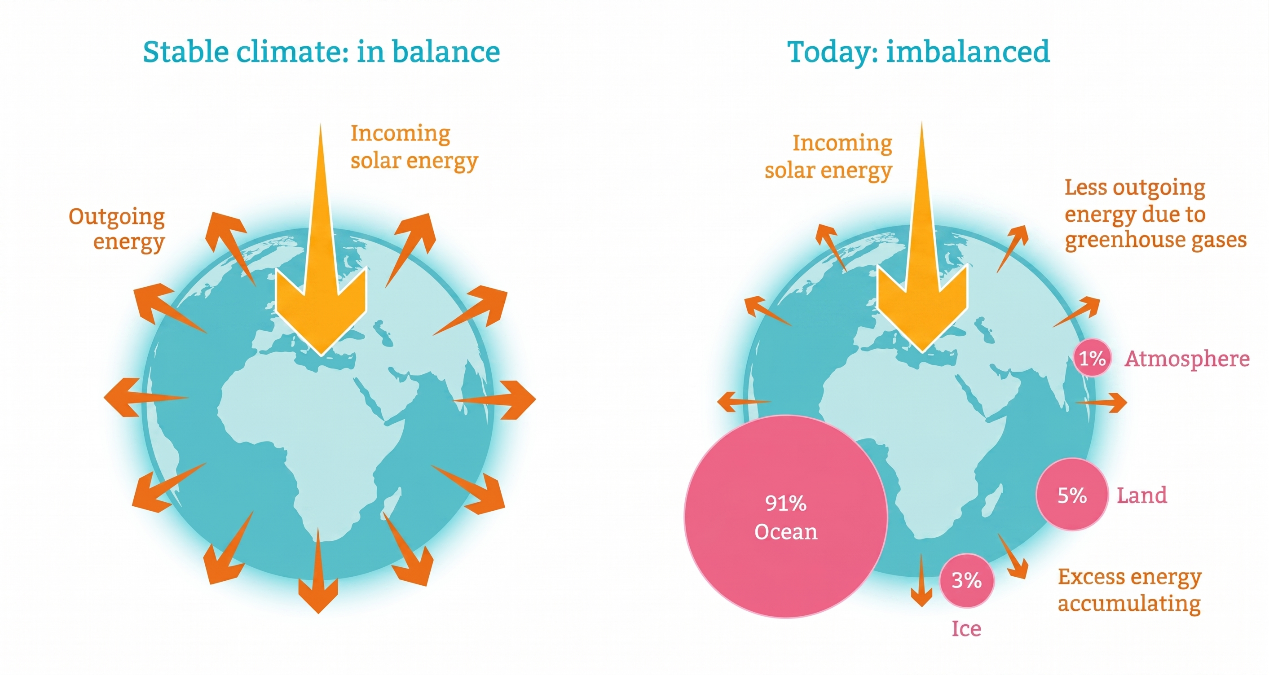
Figure 2: Schematic diagram of Earth’s energy imbalance
Image source: World Meteorological Organization’s “State of the Global Climate 2025” report